Dublin City Council adopted a €1.85 billion budget for 2027. Here is what it pays for, how it is funded and what councillors will be watching over the next twelve months.
A Record Budget, Agreed at City Hall
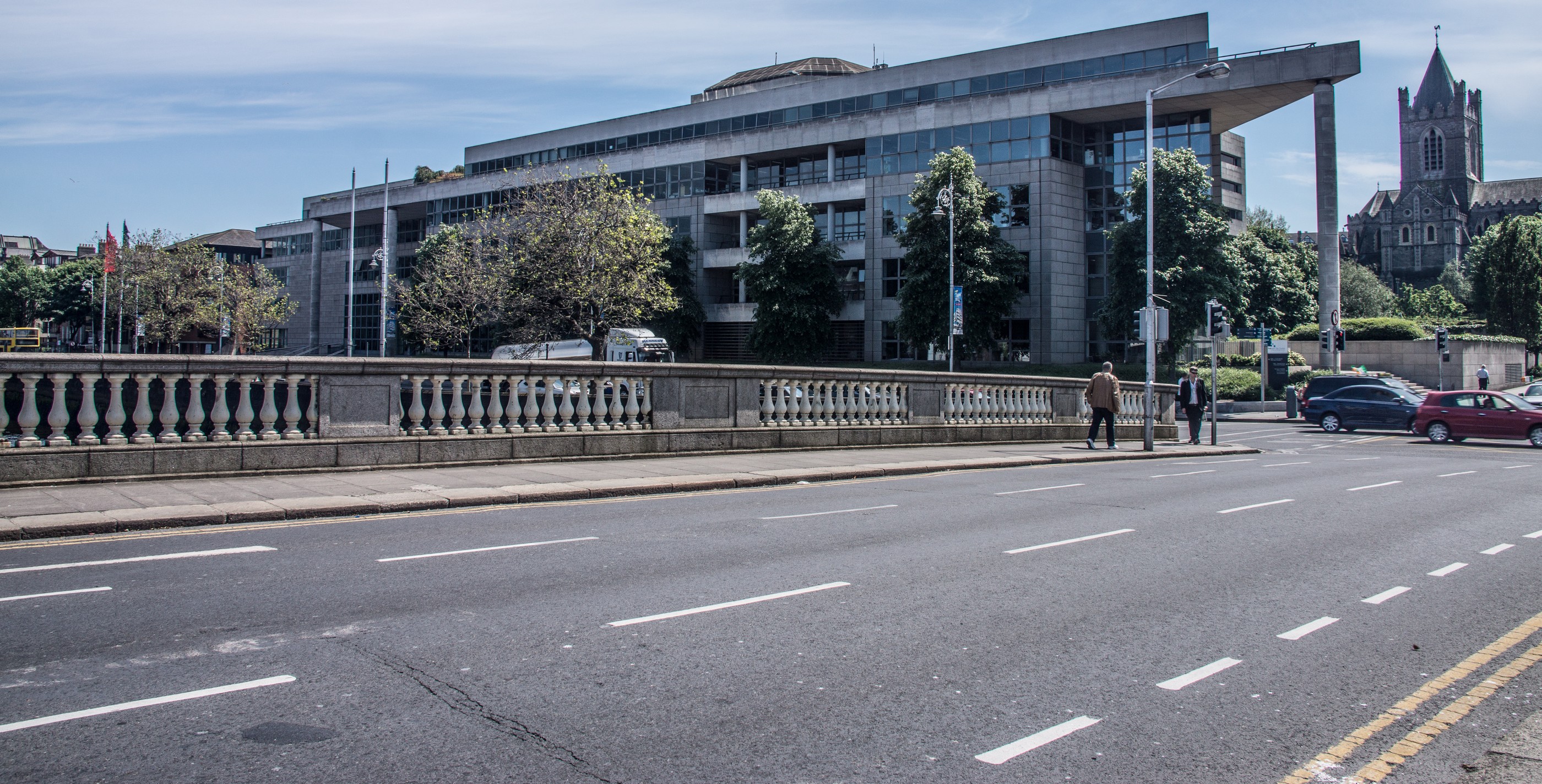
Dublin City Council will spend €1.85 billion running the capital in 2027. That is €150 million more than the €1.7 billion budget for this year, a rise of about 9%, and it makes the plan a record for the country's largest local authority. Councillors adopted it at City Hall, and it covers everything from social housing upkeep and homeless services to street cleaning, libraries and parks.
The vote was 33 in favour and 28 against, with one abstention. The budget passed as the chief executive, Richard Shakespeare, presented it, with no changes. It is the council's day-to-day revenue budget, which pays for running services year to year. Big one-off projects sit in a separate capital programme, and the chief executive plans to bring the 2027 to 2029 version to councillors in February.
The chief executive's report puts inflation to September 2026 at 4.1% and says it affects the goods, services and works contracts the council buys. The report says the draft budget provides for existing service levels to be maintained in 2027, and it includes €12.8 million more for recruitment than in 2026.
Where the Money Goes
The €1.85 billion is split across eight service areas. Housing and building is the biggest, at €975.2 million, which is a little over half of all gross spending. That covers maintaining and improving existing council homes, community development support and the Housing Assistance Payment scheme. The council manages more than 29,000 homes, deals with around 70,000 tenant repair requests a year and aims to complete works on more than 800 vacant homes annually so they can be let again.
Environmental services come next, at €250.2 million. This heading takes in waste collection, recycling, litter management, street cleaning and the operation of the fire service. Road transport and safety is allocated €167.0 million, for local and regional roads, public lighting, car parking and road safety. Recreation and amenity gets €158.0 million for parks, playgrounds, swimming pools, libraries and arts programmes. The remaining areas are development management at €114.6 million, which covers planning, building control and heritage; water services at €39.6 million; agriculture, food and the marine at €5.3 million; and miscellaneous and shared services at €140.0 million, which include markets and motor tax.
Some of the smaller lines will be noticed on the street. Street cleaning is budgeted at €69.9 million, up from €66.9 million in 2026, and the report says the increase allows for more waste collection, with more Big Belly bins and extra vehicle hire. Events funding rises from €8.6 million to €10.6 million, supporting family-friendly festivals such as Sensoria, the Luke Kelly Festival, the Liffey Festival and Twinkle Town. The council also runs school meal schemes covering 177 national schools. The main scheme served approximately 15,300 pupils a day in 2026.
The Homeless Services Line
The largest single item inside the housing allocation is homeless services, budgeted at €431.5 million for 2027. In 2022 the figure was €194.1 million, so the cost has more than doubled in five years. The 2026 adopted figure was €406.0 million.
The service is managed by the Dublin Region Homeless Executive. Under funding arrangements that date back to 1988, councils can recover up to 90% of eligible spending from the Department of Housing, with the balance funded locally. In 2025 the executive submitted a business case for a more sustainable, long-term funding model, and in 2026 the department confirmed that State funding would stay capped at 90%.
The four Dublin councils together are projected to contribute €42.4 million towards the service in 2027, of which Dublin City Council's share is €28.3 million. The council's report says the cost keeps rising because of the continuing shortage of social and affordable housing for rent and purchase. It adds that the Dublin region provides services to approximately 71% of all adults experiencing homelessness nationally.
There is positive news in a related area. Dublin Fire Brigade has run an emergency ambulance service since 1898, though it has no statutory obligation to. After two years of talks involving the council, the HSE and the departments of health and housing, an agreement reached in late 2026 lifts the funding of the ambulance service from €9.18 million to €18 million, index-linked. It also provides €3 million in each of 2027 and 2028 for the Covid-era ambulance service. The operation of the fire service, which includes the emergency ambulance service, is budgeted at €116.8 million, up from €107.6 million.
Who Pays: Grants, Rates and Local Property Tax
The budget is funded from five sources. Government grants are the largest at €855.6 million, or 46.3% of the total. Commercial rates bring in €455.9 million and income from goods and services, including rents and parking, brings in €454.7 million, which is about a quarter each. Local Property Tax contributes €62.3 million, and a net credit balance of €21.3 million makes up the rest.
Commercial rates income is projected to rise by €25.6 million in 2027. Of that, €10.3 million comes from growth in the valuation base and €15.2 million from a 3.46% increase in the annual rate on valuation, which moves from 0.289 to 0.299. The report notes that the increase is lower than the current inflation rate of 4.1%.
The report also gives a picture of who pays. Of around 20,000 commercial rates accounts, 72% have an annual bill of €10,000 or less, and 6.5% have a bill above €50,000. The 3.1% of ratepayers with the largest bills, 613 accounts, contribute 55.9% of all rates income. Rates arrears have fallen from 10.5% of annual income at the end of 2021 to 6.4% at the end of 2025.
Local Property Tax also supports specific projects, as the council applied the basic rate through to 2029. The allocation includes €5.4 million for housing maintenance, €3 million for road maintenance and footpath improvements, €3 million for urban regeneration and vacant properties, €2 million towards repaying borrowing for key infrastructure projects, and €1 million each for apprentices, zebra crossings and a discretionary fund. Together the allocations total €16.4 million.
The Rent Debate and the Vote
Much of the budget meeting focused on social housing rents. The revised Differential Rent Scheme came into effect on 6 April 2026. Under the 2026 scheme, the weekly rent is based on 18% of the highest earner's income in the household, plus an additional 18% for each other earning occupant, up to a maximum of €40 per person. The average council rent is approximately €108 a week.
The council projects €139 million in rental income for 2026, which covers nine months of the revised rents, and €148 million for 2027, the first full year. The council also carries out a routine assessment of every rent account each year. Funding for housing improvements comes from both this revenue budget and the capital programme.
Sinn Féin and People Before Profit each tabled an amendment to reverse the rent changes and fund the difference by raising commercial rates. Sinn Féin proposed an 11% increase for all ratepayers. People Before Profit proposed a larger increase that would apply only to the biggest businesses, alongside a support scheme for smaller ratepayers. Both amendments were defeated by 32 votes to 27, with two abstentions.
Speakers against the amendments said a change of that size should go through the council's finance committee first, while supporters made the case for keeping rents lower for tenants. The chief executive told the chamber that, in his understanding of the law, setting rents is an executive function, so councillors cannot direct it through the budget.
The Bottom Line
Dublin City Council's 2027 budget is a €1.85 billion plan that keeps existing services running and puts more money into the areas people see every day. Housing takes a little over half of every euro spent, street cleaning and events get more funding, and the fire and ambulance service gets a better funding deal from the HSE. For businesses, tenants and residents, the next date to watch is February, when the capital programme for 2027 to 2029 goes to councillors.
Looking ahead, homeless services are now a €431.5 million line, with the State funding 90% of eligible spending. The rent scheme remains the most debated item in the chamber. The new national pay agreement sits outside the draft; the report puts its 2027 cost at about €19.8 million, with the council expecting the Department of Housing to fund 80%, a net cost of €3.9 million. The numbers adopted give the capital a clear framework for the year ahead.